
Do I need a website if I have Instagram?
Instagram is great for discovery, but it isn’t yours. What a website does that social media can’t — and when you might not need one yet.
Read articleSEO
When someone nearby searches for what you do, you want to be one of the first businesses they see. These are the foundations — no jargon, no tricks.
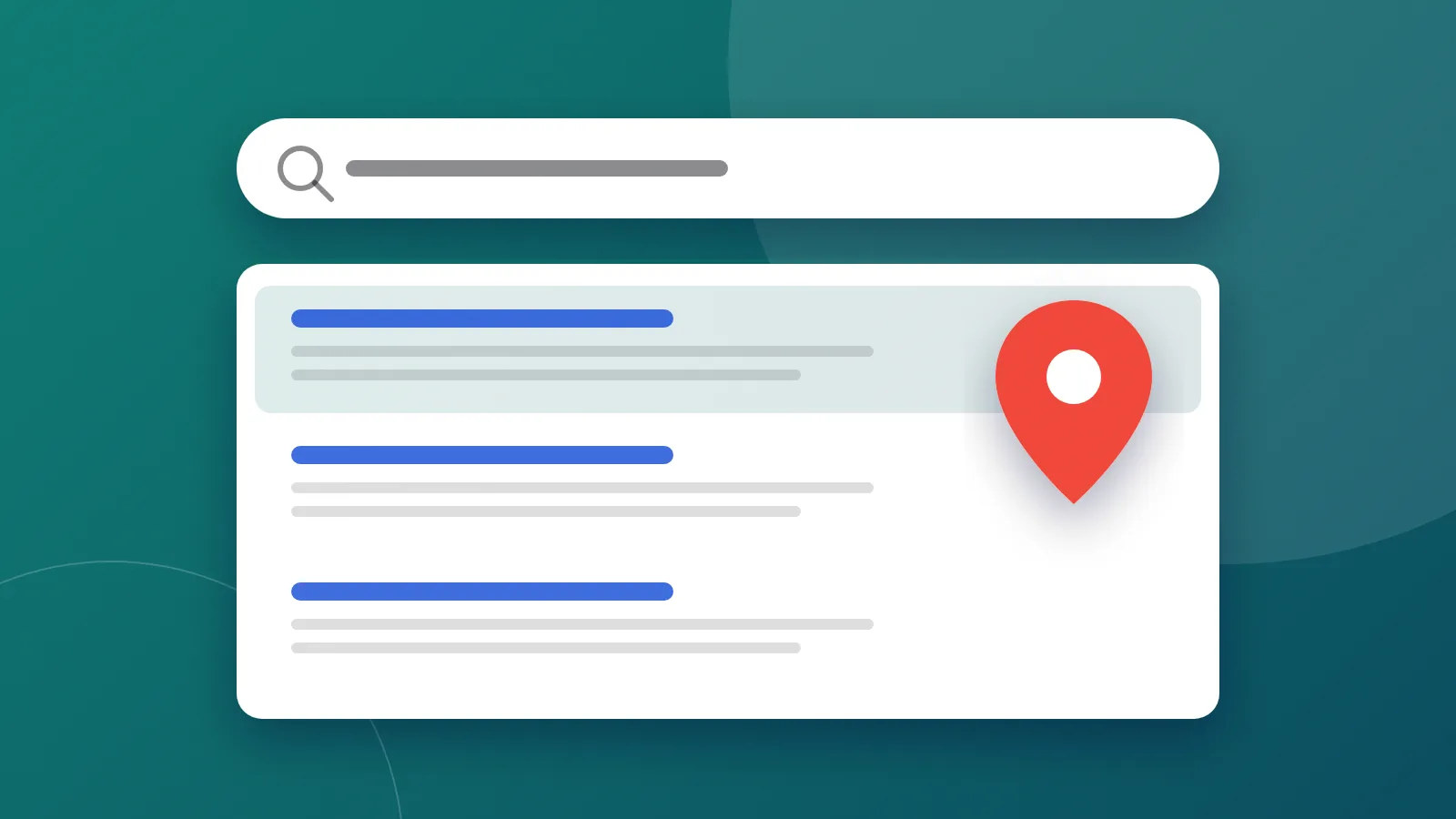
Local SEO is how you help people nearby find your business when they search on Google or Google Maps — for example “hair salon near me” or “bakery in [your town]”. For many service businesses it is the most valuable kind of search, because the person is often ready to act.
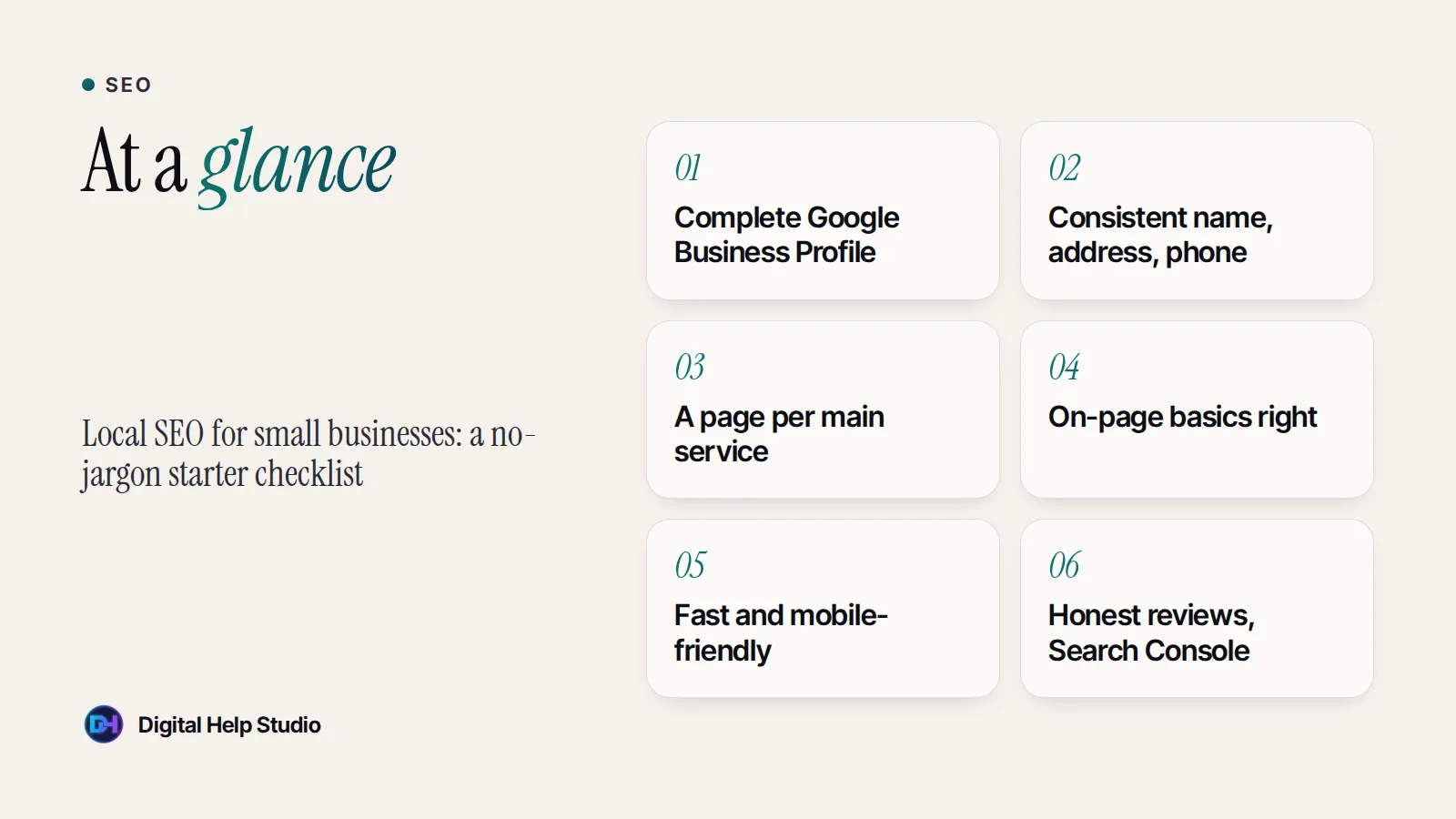
Your Google Business Profile is the listing that appears on Google Maps and in local search results. It’s free, and it’s the single most important step for most local businesses.
Use exactly the same business name, address and phone number on your website, Google Business Profile, social profiles and any directories. Inconsistent details confuse customers and search engines alike.
A single page that lists everything in one line is hard to rank. A page for each main service — explaining what it is, who it’s for, where you offer it and how to book — gives Google clear signals and gives customers real answers.
If you genuinely serve several nearby areas, you can mention them naturally. Avoid creating dozens of near-identical “location pages” for places you don’t really serve; that approach adds little value and can backfire.
Most local searches happen on phones. Compress images, avoid heavy page builders where you can, and make sure buttons to call, message or get directions are easy to tap.
Reviews influence both customers and local rankings. Ask happy customers to leave a review and make it easy with a direct link. Reply politely to every review, including critical ones.
Never buy reviews, write fake ones, or offer rewards in exchange for positive reviews. It breaks Google’s rules, can get reviews removed or your profile restricted, and in many countries it’s illegal.
Reputable directories and industry associations can help people find you and reinforce your details. Focus on quality and relevance, not quantity.
Google Search Console is a free tool that shows which searches your site appears for, which pages get clicks and whether Google has found any problems. Submit your sitemap and check it monthly.
Some changes, like completing your Business Profile, can help relatively quickly. Ranking improvements for competitive searches usually take months and depend on your competition. Anyone who guarantees a number-one ranking is not being honest with you.
Every website I build includes basic on-page SEO. For more, my SEO services cover structure, content, technical basics and Search Console setup for small business websites.
On-page SEO for small business websites: structure, page titles, content, speed basics and Google Search Console setup.
See the service
Brijaditya Sharma is the founder of Digital Help Studio. After nine years in-house handling content distribution for an Indian brand, he now builds websites and runs digital marketing for small businesses worldwide. Connect on LinkedIn.
A profile alone can bring calls, but a website gives Google and customers much more information and helps you appear for more searches. They work best together.
It is harder. If you genuinely serve that area, set it as a service area on your profile and mention it naturally on your site. Don’t invent addresses.
There’s no magic number. A steady flow of genuine, recent reviews matters more than a big one-time batch.
Keep reading
Instagram is great for discovery, but it isn’t yours. What a website does that social media can’t — and when you might not need one yet.
Read article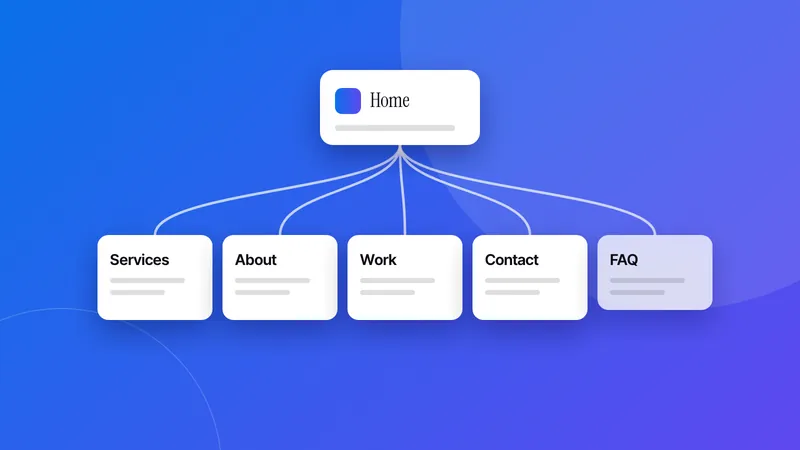
The five essential pages, useful extras and a pre-launch checklist — a practical guide to planning a small business website.
Read article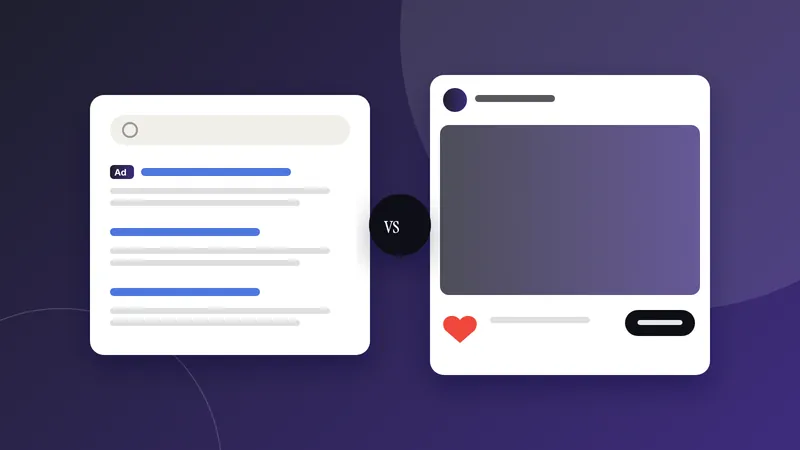
Search intent vs discovery: how Google and Meta ads differ, which suits your business, and what to prepare before spending anything.
Read articleYour next step
Send me your business details or your Instagram link. I’ll build a free, personalised website demo — no payment, no obligation.